The same was true for artificial hearts, lungs, hips and kneecaps. All are used successfully today. Though we still don’t have a full artificial eye. yet, we’re getting closer thanks to new technologies aiming to fix failing eye parts with human-made versions. One of these recent discoveries doesn’t replace an entire eye, but supplants a major component of vision. It holds some promise for millions of people who could otherwise go blind.
In a first, scientists in China have created artificial photoreceptors to help blind mice see. Photoreceptors are microscopic cells in the retina in the back of the eye that convert light to vision. Each eye has millions of photoreceptors. The artificial receptors—extremely small nano wires—were implanted into the damaged retinas of mice. Though intruders, they interacted with natural tissues to mimic vision.
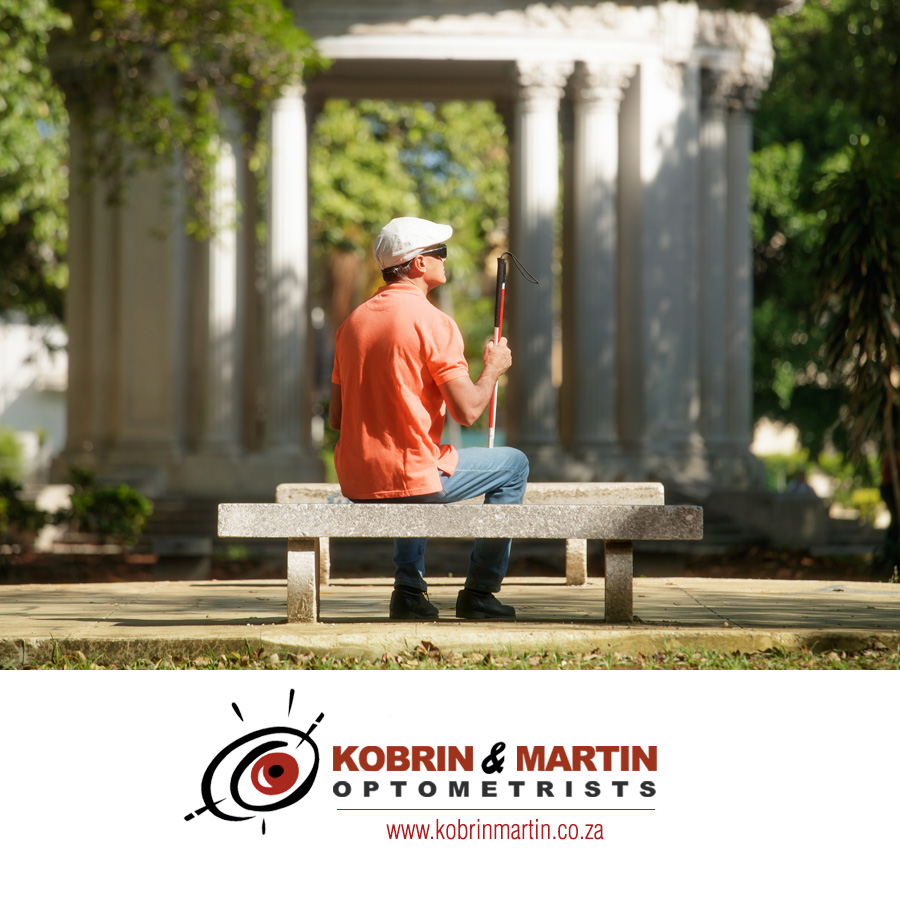
The development is triggering cautious optimism from doctors specializing in degenerative eye disease. In these diseases, photoreceptors gradually stop working, causing blindness. The most common degenerative eye conditions are retinitis pigmentosa and macular degeneration.
While the artificial photoreceptors are intriguing, the science is still a long way from helping blind humans see. The ability to see involves a delicate and complex process in which light entering the eyes results in pictures in our brains.
Think of the photoreceptors as transformers. They capture light from outside the eye and transform it into electrical signals. These signals travel to the brain through the optic nerve, where they become images we know as vision.
There is no cure for degenerative eye disease. Standard medical treatments try to slow their progression. Patients also receive tips and tools for low-vision. But new technologies, like the artificial photoreceptors, are opening the door to the once unimaginable dream of coaxing vision from damaged eyes.
Many of these technologies are in the early stages of research, in preliminary studies with animals or humans. But at least one innovation is available to the public. It’s sometimes called the Bionic Eye. Different than the artificial photoreceptors, the Argus II is a system that uses a mini computer and video camera attached to glasses. You have to wear the glasses for the system to work.
The camera acts like an external eye, sending outside images to the computer, which turns them into signals that it sends to the implant. The implant converts the signals to electric pulses, which activate remaining healthy eye cells to produce vision. People using the Argus see patterns of light that outline large objects such as curbs or doorways. It’s partial vision, but a profound change from blindness.
The “seeing” from the artificial photoreceptors, which haven’t been tested in humans, is similar. But the receptors don’t need any external equipment, a clear plus.
Source: American Academy of Ophthalmology 2018
Very important: Always make sure you discuss and make decisions about your eye care based upon a formal appointment with your optician.
For more information please call us or visit
KOBRIN & MARTIN OPTOMETRISTS, SANDTON
Tel: 011 884 8413 | kobrinmartin@telkomsa.net